




- Published on: 2026-10-15 15:27:00
US CPI Hits 3.7%: Dollar Surges to 18-Month High, October Hike Odds Jump
US inflation came in hotter than expected in September. Headline CPI hit 3.7% and core CPI rose 0.3% on the month, above the 0.2% forecast. The dollar jumped to an 18-month high, gold fell from about $4,150 to $4,087, and the odds of a Fed hike on 28 October rose sharply.
Below, we cover what the data showed, which markets moved and what to watch before the Fed meets on 27 and 28 October.
CPI Hits 3.7% on a Fuel Surge
According to the US Bureau of Labor Statistics, consumer prices rose 0.6% in September, and annual inflation accelerated to 3.7% from 3.4%. Economists had expected about 3.6%.
Energy drove the move. Gasoline jumped 9.1% in a single month, and CNBC's breakdown links the rise in fuel costs largely to the war involving Iran, which has pushed up oil and refined fuels such as gasoline, diesel and jet fuel.
Fuel was not the only factor. Shelter rose 0.4%, services 0.4% and core goods 0.3%, helped by a 0.7% rise in used cars and trucks. Computer and peripheral prices rose 1.3%, which analysts linked to AI-related investment. Price pressure is broadening across categories.
Core CPI Beats Forecasts
Core CPI rose 0.3% on the month against the 0.2% forecast, and the annual rate reached 2.6% from 2.4%, above the 2.5% expected. That is the same monthly pace as August, so the upward trend in core prices is holding rather than fading. Carson Group's Sonu Varghese noted that core inflation ran at a 3.7% annualized pace in September, and that fuel alone did not explain it.
Dollar Hits 18-Month High
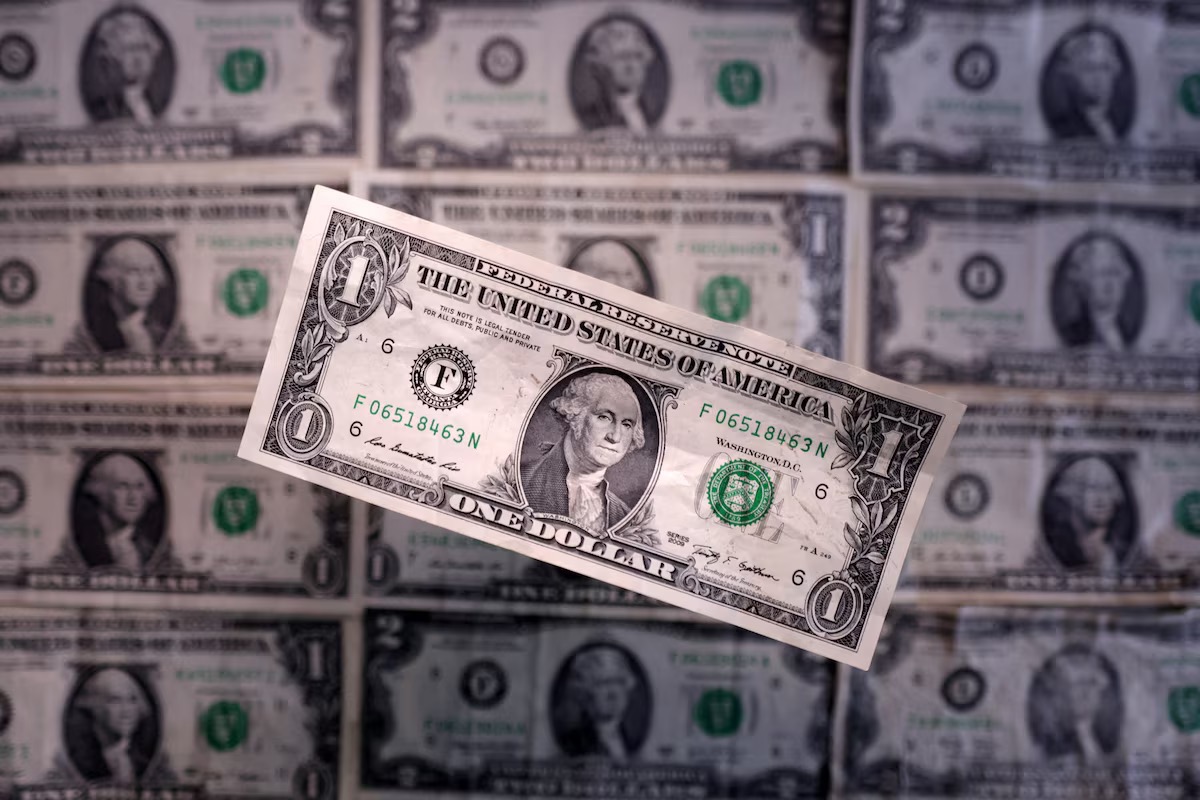
U.S. dollar banknotes are seen in this illustration taken March 19, 2025. Source: Reuters.
The US Dollar Index gained close to 0.4% after the release, and the dollar reached its strongest level in 18 months, according to Reuters. Higher inflation raises the chance of higher rates, and higher US rates make dollar assets more attractive to global investors.
Treasury yields followed. The two-year yield, the most sensitive to Fed expectations, rose about seven basis points to roughly 4.87%.
By Thursday, the dollar had eased from its peak as several Fed officials signalled there is no need to rush another hike. CPI is only one input, and central bank comments can reverse a move within hours.
Gold Slips to $4,087 After CPI
Gold fell from about $4,150 to $4,087 after the release, a drop of roughly $63, or 1.5%. Analysts had flagged $4,000 as the next downside level if core inflation came in at 0.3% or higher, as FinanceFeeds noted before the data, and the print landed on that hot-core scenario. Gold now sits about $87 above that level.
Gold faces a tug of war. Persistent inflation supports it as a store of value, but higher rate expectations raise the cost of holding an asset that pays no yield, and a firmer dollar makes it pricier for buyers in other currencies. Which side wins in the short term depends on how the market reads the Fed.
Stocks Slide on Rate Fears
US stock futures fell after the report. Tech shares were hit hard in Asia, with SK Hynix down around 10% on rate-hike fears and AI funding worries.
Growth and technology stocks are more sensitive to higher rates because their valuations rely on future earnings. Oil is worth watching too, since the energy shock behind gasoline prices also feeds into transport and input costs.
October Hike Odds Jump, December Still Favoured
The Fed raised rates by 25 basis points on 16 September to a range of 3.75% to 4.00%, its first hike since July 2023, and signalled more could follow. September CPI is the last major inflation report before the 27 to 28 October meeting.
According to CME FedWatch data cited by several outlets, the chance of an October hike rose from roughly 22% before the report to between 37% and 47% at different points on Wednesday. That is a big jump, but still below 50%.
Most economists expect a hold in October and another hike in December. New York Fed President John Williams and Governor Philip Jefferson have recently suggested the bar for an immediate hike is high, and several analysts said September's print alone was probably not enough for back-to-back increases. Others are more hawkish. RSM's Joseph Brusuelas sees more than one additional hike, and Wells Fargo Investment Institute expects the Fed to raise rates between now and spring 2027.
The Fed also leans more on the PCE price index than on CPI, so the next PCE release is an important cross-check.
What to Watch Before 28 October
A few areas deserve attention from traders:
- Fed commentary: More speeches will show whether the cautious tone from Williams and Jefferson is widely shared.
- The 28 October decision: Even a hold will shape December expectations through the statement and press conference.
- Dollar Index and the two-year yield: They tend to move together on rate expectations and often lead currency and gold moves.
- Energy prices: Rising fuel keeps headline inflation elevated, while easing prices could relieve some pressure on the Fed.
- PCE and jobs data: Weak payrolls earlier this year reduced hike odds, so any change in the labour market can swing expectations again.
Planning around these events, rather than reacting after the move, helps many traders handle high-impact news days.
Bottom Line
September's CPI confirmed that inflation is not cooling as fast as hoped. Headline CPI reached 3.7%, core beat forecasts, the dollar hit an 18-month high, and gold and equities came under pressure. Most economists still expect the Fed to wait until December, but October is now a live debate.
The next two weeks should be active. Fed speakers, the 28 October decision and fresh inflation data are likely to keep the dollar, gold and major indices reacting to every shift in rate expectations.
Trade the Next Move with TradingPRO
Ready to trade the markets that react to inflation data and Fed decisions? Register with TradingPRO today and access forex, gold, indices and more on MetaTrader 5. Follow the latest market updates on our socials.


