


- Published on: 2026-08-20 08:08:00
How Technology Is Changing the Trading Experience for MENA Traders
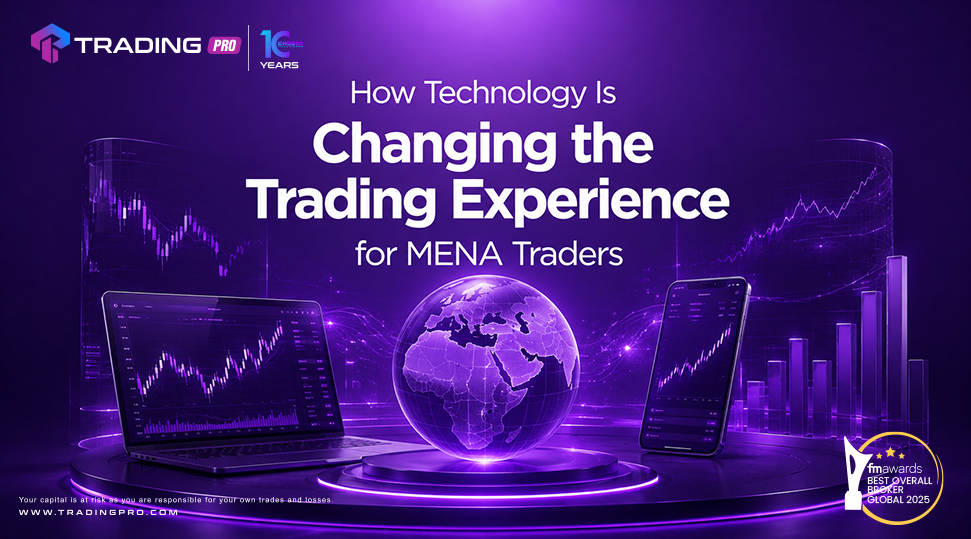
Technology has changed the way people interact with financial markets. What once required extensive resources and access to traditional financial institutions can now be explored through digital platforms and online tools.
For traders across the MENA region, this transformation has created new ways to access market information, analyze price movements, and manage trading activities.
However, technology is not simply about making trading faster. It is also changing how traders learn, research, and make decisions.
The Digital Transformation of Trading
The rise of online trading platforms has made financial markets more accessible to a wider audience.
Traders can now monitor markets, analyze charts, follow economic developments, and manage their positions through digital devices.
This accessibility is particularly relevant in the MENA region, where a growing digitally connected population is becoming more familiar with financial technology and online investment tools.
From Traditional Access to Digital Platforms
Previously, accessing financial markets could involve more complicated processes and limited access to information.
Today, digital trading platforms can bring several functions together in one environment, allowing traders to monitor markets and manage their activities more efficiently.
This does not remove the risks associated with trading, but it can make the process more accessible and organized.
How Trading Tools Support Better Market Analysis
Real-Time Market Information
Markets can change quickly, making access to timely information an important part of the trading process.
Digital platforms and financial tools can provide traders with market prices, charts, economic calendars, and other information that can support their analysis.
For MENA traders, this can be particularly useful when following both regional and international developments.
Advanced Charting and Analysis
Charting technology has also evolved significantly.
Traders can use different timeframes, indicators, and analytical tools to study market behavior. These tools can help traders identify patterns and understand price movements.
However, more tools do not necessarily mean better decisions.
The value comes from understanding what each tool shows and using it as part of a structured trading approach.
Technology and the MENA Trading Community
The MENA region is connected to major global markets through trade, energy, investment, and financial activity.
As a result, traders in the region may follow developments across multiple markets and time zones.
Technology makes it easier to monitor these developments without being limited by physical location.
Following Global Events
Interest rate decisions, inflation reports, employment data, and commodity movements can influence markets around the world.
Digital access allows MENA traders to follow these developments as they happen and incorporate relevant information into their market research.
Access to Financial Education
Technology has also changed how traders learn.
Educational articles, webinars, market analysis, digital courses, and online communities provide traders with different ways to expand their financial knowledge.
This can make continuous learning more accessible, particularly for traders who prefer learning at their own pace.
Automation and the Future of Trading
Technology is also introducing new possibilities through automation and data-driven tools.
Automated processes can help traders monitor markets or execute predefined strategies according to specific conditions.
However, automation should not be confused with guaranteed results.
Technology Still Requires Human Judgment
A trading tool can process information, but traders still need to understand the assumptions and risks behind their decisions.
Technology should support a trading strategy rather than replace research, risk management, or critical thinking.
Choosing the Right Trading Technology
With so many digital tools available, traders should focus on what genuinely supports their trading process.
Important factors to consider include:
-
Ease of use
-
Access to relevant market information
-
Charting and analytical capabilities
-
Educational resources
-
Risk management features
-
Platform reliability
-
Customer support
The best technology is not necessarily the platform with the largest number of features. It is the one that provides useful tools without making the trading process unnecessarily complicated.
How TradingPRO Supports Digital Trading
TradingPRO combines digital trading access with tools and educational resources designed to help traders navigate financial markets.
For MENA traders, having access to a digital trading environment alongside educational content and market resources can support a more informed approach to trading.
Technology can make market access easier, but developing the knowledge to use these tools effectively remains an important part of the trading journey.
Conclusion
Technology is reshaping the trading experience across the MENA region by improving access to market information, digital platforms, analytical tools, and financial education.
However, technology should be viewed as an enabler rather than a replacement for knowledge and discipline.
For traders, the most effective approach is to combine digital tools with research, risk management, and continuous learning. As financial technology continues to evolve, traders who understand how to use these tools responsibly can be better prepared for an increasingly digital market environment.
Start Your Trading Journey with TradingPRO Global
Ready to take the next step in your trading journey? Visit TradingPRO Global to register your account and connect with TradingPRO across our social media channels.


